 AZ
AZ EN
EN RU
RU
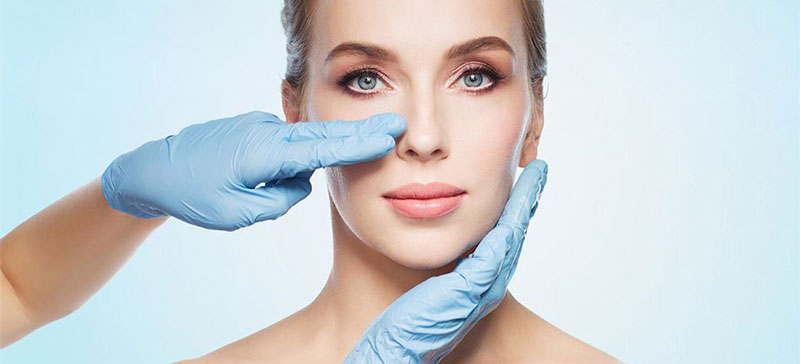
What should you pay attention to after aesthetic nose surgery?
What to expect in the first days?
- In the early period after surgery, standing up suddenly may cause nausea. It is advisable to get up gradually. This will pass within a few hours. In the early period, fluids and light foods are recommended instead of heavy meals. During the first 3–4 weeks it is advisable not to consume very hot foods and drinks.
- A weak, seeping discharge of blood from your nose is expected. This discharge is bright red in colour. If you notice the discharge becoming a deep red and more intense, put vasoconstrictor drops (naphazoline, oxymetazoline) into that side, apply a cold compress around the nose, and inform your doctor (or the assistant) by phone.
- After surgery, depending on many factors, there may be swelling and discolouration around the eyes to a greater or lesser degree. On the 2nd and 3rd days after surgery the swelling and discolouration will increase somewhat; this is normal. The swelling and bruising around the eyes will subside within 7–10 days.
- In the early days and weeks there will be swelling in your nose. Day by day you will see positive changes in the external appearance of your nose. Nevertheless, your nose will take its final, desired shape months later.
- Because of internal swelling and crusting, your sense of smell will not be the same as before for a few weeks after surgery. This will gradually improve.
- Some time after the intranasal silicone splints are removed, there may be nasal obstruction. This is due to intranasal swelling and crusting after surgery. This will decrease over time. For this purpose it is very important to use nasal-care sprays and oily drops inside the nose.
How should you sleep and rest?
- When sleeping and resting, it is advisable to place at least 2 pillows under your head and to try to keep your head upright during the day. This keeps normal blood circulation and helps the swelling subside faster.
- Try to keep your nose from touching the pillow while sleeping. You can use special pillows or a travel pillow for this. If you cannot obtain these, you can place a pillow on each side to prevent yourself from turning to the right or left during sleep.
Medicines, dressing, shower — how to care for yourself day to day?
- Use only the medicines recommended by your doctor.
- After surgery there will be a dressing on your nose consisting of a splint or tape strips. It is advisable not to touch these materials and to keep them dry.
- In the early period, wear clothes that open and close at the front or back rather than clothes pulled over the head.
- You can brush your teeth with a soft brush.
- You can take a shower from the morning after surgery. It is advisable that the shower water be lukewarm rather than hot. In the early weeks, hot shower water may cause bleeding. The splint or tape dressing on the nose should not get wet. For this purpose you can wash your hair with your head tilted back, as is done in hair salons.
- After surgery, some patients (especially those with a deviated nose or thick skin) may need massage. If needed, your doctor will explain how to massage your nose.
What should you avoid?
- During the first 2 weeks it is advisable not to eat foods that require a lot of chewing, not to have long phone conversations, and to avoid intense laughing and deep facial expressions.
- Sneezing does not harm your nose. But very rarely it may cause bleeding. To prevent this, when you feel the urge to sneeze you can tilt your head slightly forward and press your tongue against your palate. This will most likely make the urge to sneeze pass. If it does not, you can sneeze with your mouth open so that the air escapes through your mouth. If sneezing is very frequent, you can consult your doctor about medicines used to reduce sneezing (antihistamines).
- Especially in the early period, it is not advisable to try to clean the nose by blowing out with pressure. This can cause bleeding.
- For 40–45 days after surgery, straining and lifting heavy objects (especially your small children) is not advisable.
- Long-term exposure to sunlight, sauna and solarium are not advisable in the early weeks. Heat can cause bleeding and swelling. In summer it is helpful to wear a hat to protect against sunlight and to apply sunscreen cream to your nose.